
Floriography
Discover the secret language of flowers
Floriography, known as the “secret language of flowers”, rose to prominence during the Victorian era as a discreet and poetic way to communicate emotion. Each flower carried its own symbolic meaning, and when thoughtfully combined, bouquets could convey entire sentiments without a single word spoken.
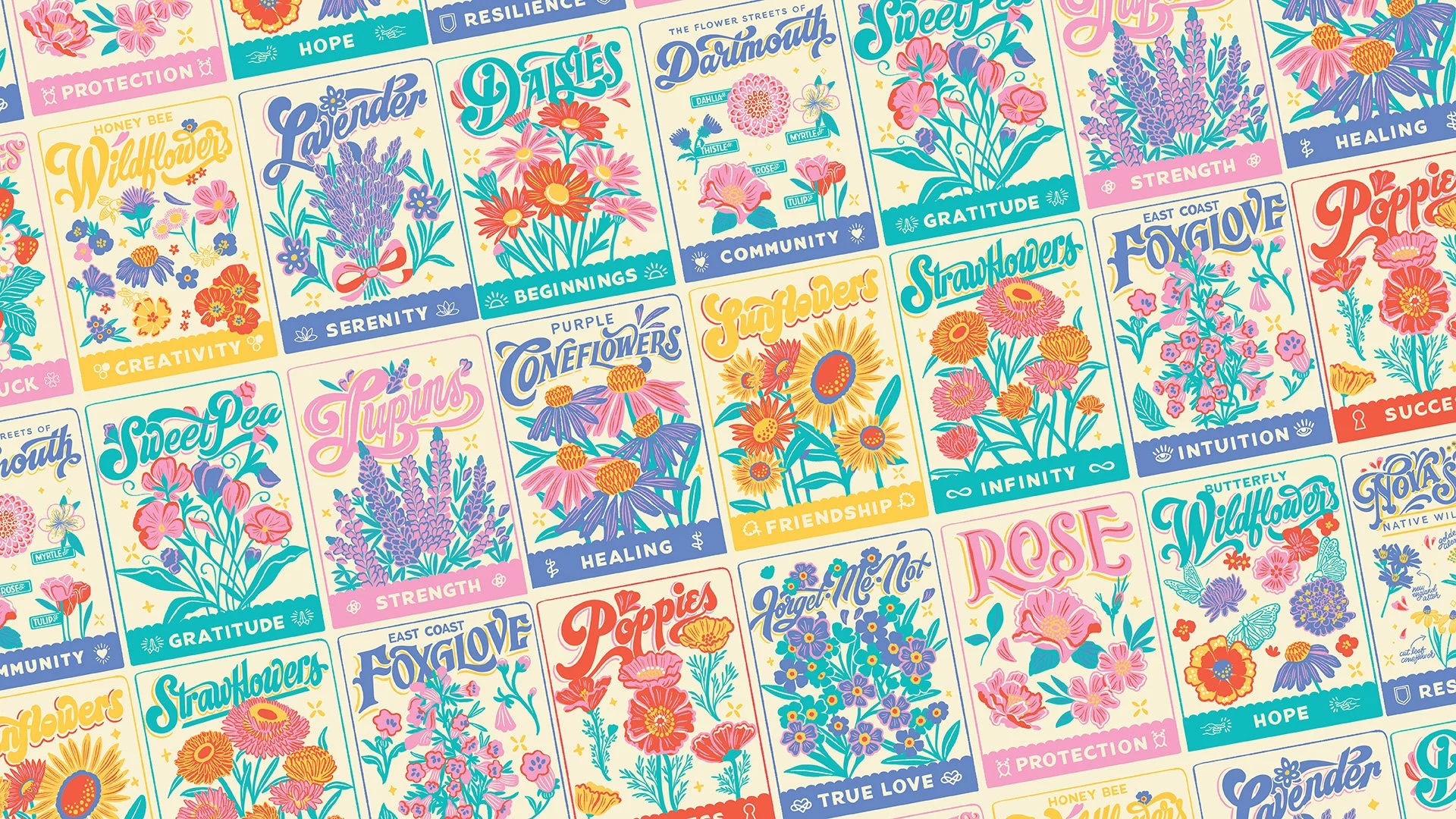
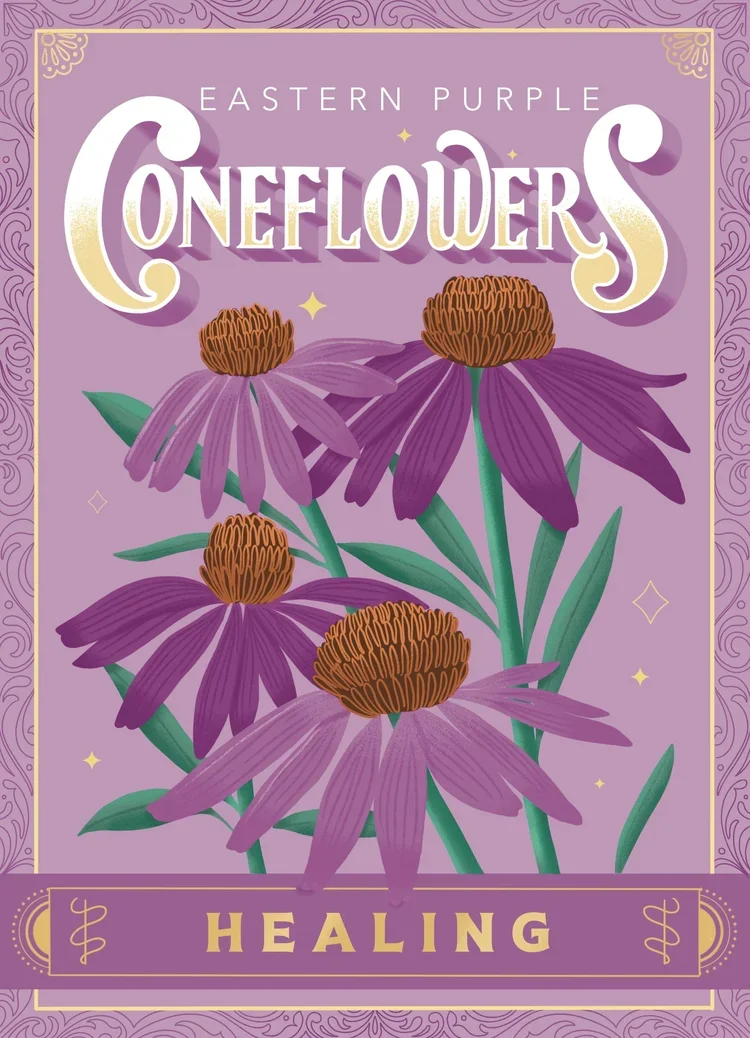
Floriography Seed Packets
Through our floriography seed packets, the historical meanings of the secret language of flowers have been carefully explored and reinterpreted. Paired with inspiration drawn from Victorian hand lettering and design, the collection offers a meaningful way to express intention - allowing the beauty of nature to carry a message, just as it once did.
FLOWERS OF HAPPINESS
Bouquet – Celebration
East Coast Wildflowers – Happiness
Painted Daisies – New Beginnings
Rainbow Zinnias – Pride
Edible Flowers – Charm
FLOWERS OF LOVE
Love in Bloom – Forever
Forget-me-not – True Love
Something Blue – Devotion
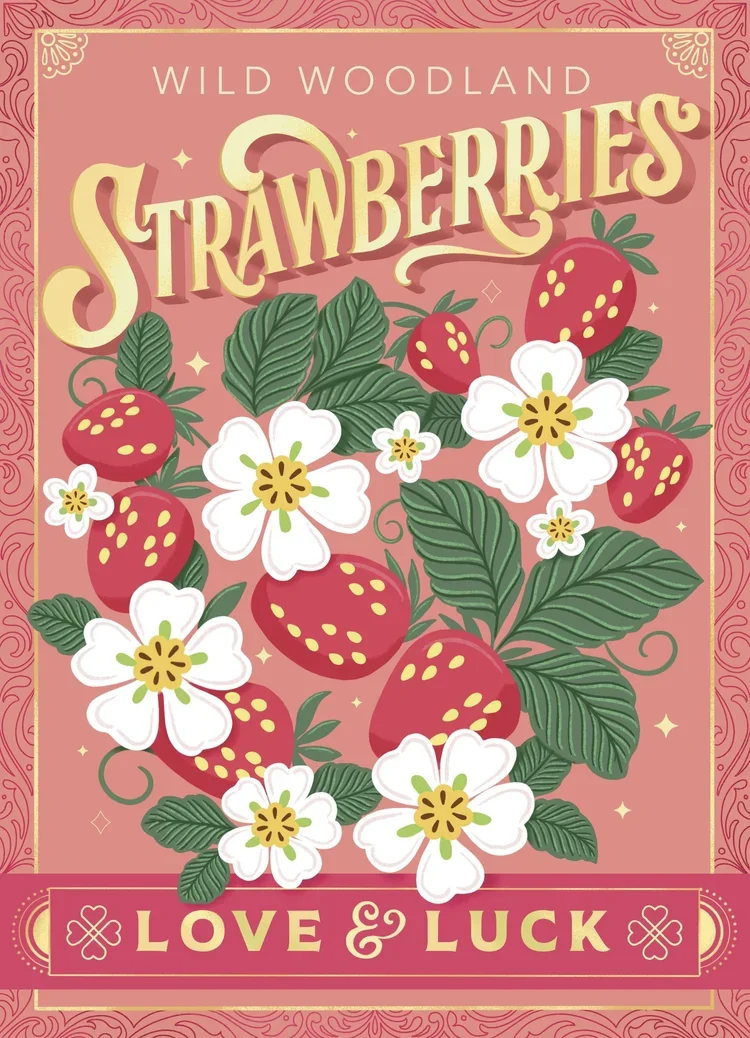
Strawberries – Love & Luck
True North Poppies – Heart
FLOWERS OF FRIENDSHIP
Sunflowers – Friendship
Cat & Dog-friendly Wildflowers – Loyalty
Dahlia – Kindness
New Brunswick Native Wildflowers – Connection
FLOWERS OF SUPPORT
Lupins – Inner Strength
Butterfly Wildflowers – Hope
Poppies – Success
Nova Scotia Native Wildflowers – Resilience
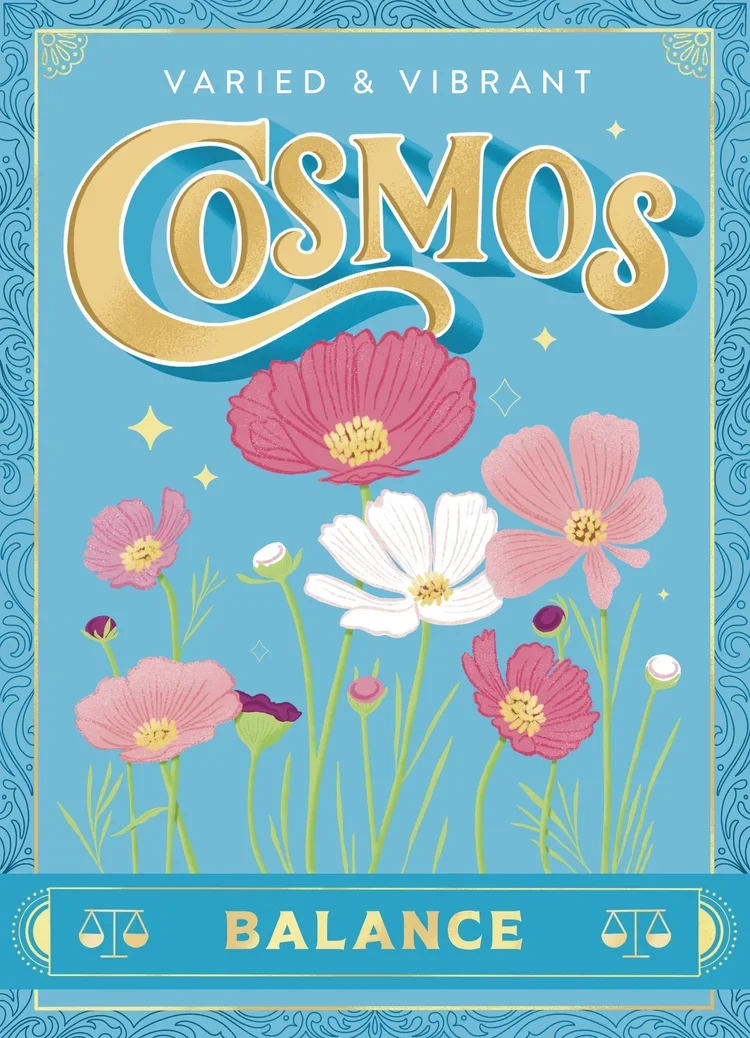
Cosmos – Balance
Wild Pink Marsh Rose – Protection
Wild Tea – Comfort
FLOWERS OF GRATITUDE
Sweet Pea – Gratitude
FLOWERS OF GROWTH
West Coast Wildflowers – Adventure
Cat Grass – Curiosity
Ontario Native Wildflowers – Discovery
Mystery Pack – Courage
Night Garden – Renewal
Honey Bee Wildflowers – Creativity
History of Floriography
The meanings behind various flowers differ across many of the dictionaries that were produced throughout the 1800s and early 1900s, reflecting a time when symbolism was shaped as much by emotion and storytelling as by tradition.
As floriography gained popularity, writers and illustrators infused their own interpretations into these guides, allowing flowers to take on multiple, evolving meanings across generations.
Here are just a few of the common flowers and their meanings as explained throughout 19th Century floriography:
Aster – Daintiness, patience & calm
Calla Lily – Magnificent beauty
Red Carnations – My heart breaks
Pink Carnations – I will never forget you
Chrysanthemum – Truth / You’re a wonderful friend
Daffodil – New beginnings
White Lily – Purity, sweetness
Daffodil – Self love
Peony – Happy Marriage / Prosperity / Bashfulness
Rhododendron – Beware
Pink Rose – Grace
Yellow Rose – Infidelity
Red Rose – Love
Snapdragon – Presumption
Tulip - Love and Passion
Continue Learning
A number of authentic Victorian-era floriography books with gorgeous illustrations are in the public domain and available for free, offering a chance to learn more about the beauty of floriography during its heightened era: